Cosmetic dentistry has never been more in demand than it is in 2026. What was once a niche branch of dentistry reserved for celebrities, wedding-day perfectionists, or those seeking major reconstructive upgrades has now become a mainstream priority for everyday Australians. Fuelled by rapid technological advancements, social media influence, and a cultural shift toward personal wellbeing and confidence, the cosmetic dentistry landscape has evolved at lightning speed. Patients are more informed, more results-driven, and more image-conscious than ever — and clinics across the country are adapting to meet these expectations with sophisticated treatments that are faster, safer, and astonishingly natural-looking.
The Cultural Shift: Confidence as Healthcare
The biggest change in 2026 is not simply the availability of treatments — it’s the shift in public attitude. A straight, bright, harmonious smile is no longer viewed as vanity; it’s considered an essential part of personal health, emotional wellbeing, and professional presence.
A number of lifestyle and social dynamics have intensified this shift:
1. The Social Media Aesthetic
Platforms like Instagram, TikTok, and even LinkedIn have normalised smile transformations. Before-and-after videos, veneer journeys, aligner diaries, and whitening reviews have demystified cosmetic dentistry. People no longer see a perfect smile as something “other people have”—they watch average individuals reshape their smiles in real time.
2. The Rise of the “Wellness Identity”
Cosmetic dentistry now sits alongside skincare, diet, and fitness as part of overall self-care. Patients frame their smile enhancement as part of feeling good, presenting well, and experiencing life confidently.
3. The Post-Mask Boom
After years of masks during the pandemic era, the return to full-face visibility has reignited attention on oral aesthetics. The cosmetic dentistry surge of 2024–2025 has only accelerated into 2026.
4. Improvements in Accessibility
More clinics such as this cosmetic dentist in Melbourne’s Narre Warren, more price-point options, and more treatment diversity mean people from all backgrounds can access cosmetic services once considered premium.
Technology at the Heart of the 2026 Smile Revolution
The most impressive driver of the cosmetic dentistry hype is the technology that now underpins nearly every treatment.
Digital Smile Design 4.0
DSD has evolved into a highly precise, AI-supported design system that maps a patient’s face, lips, bite, and expressions to create personalised “smile blueprints.”
Patients preview their future smile in facial movement, not just static photos.
AI predicts how teeth will look in speech, laughter, and everyday conversation.
Dentists use digital mockups to custom-craft veneers and crowns with near-perfect accuracy.
DSD is now the standard for any major cosmetic treatment planning.
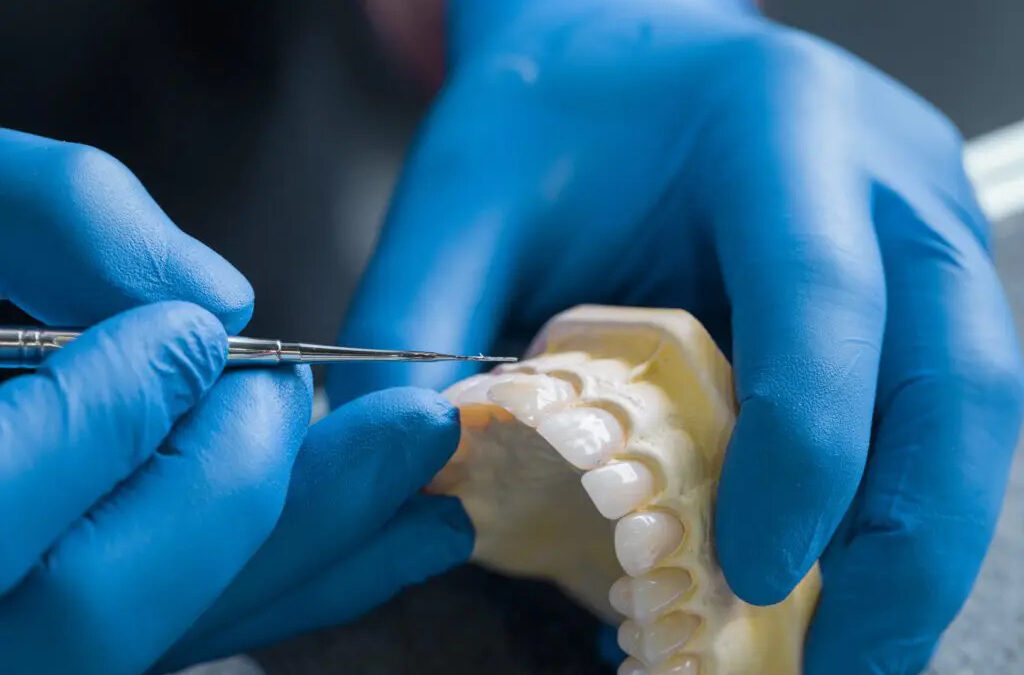
Ultra-Thin Porcelain Veneers
The new generation of 2026 veneers is lighter, stronger, and minimally invasive. Many cases require little to no tooth reduction, addressing long-standing fears of irreversible tooth shaving.
The aesthetics have also improved:
Multi-layer translucency mimics natural enamel
Custom textures and shading create real-tooth imperfections for authenticity
Modern bonding systems extend veneer lifespan to 15–25 years
No wonder veneers have become the go-to upgrade for young professionals and midlife smile rejuvenators.
Faster, Clearer, Smarter Orthodontic Aligners
Clear aligner technology now uses smart scanning, AI tracking, and accelerated movement algorithms. In many cases, treatment times have dropped by 30–40%. Attachments are smaller and more discreet, and aligners fit more comfortably than before.
The biggest change: remote monitoring.
Patients use smartphone-based accuracy scanners that allow dentists to track progress weekly without constant appointments. This has triggered a surge in adults seeking orthodontic correction.
Biomimetic Ceramic Crowns and Bridges
Advanced ceramics in 2026 reflect and refract light like natural enamel, making cosmetic crowns virtually indistinguishable from real teeth. Modern milling machines produce restorations with microscopic precision, often in a single visit.
The Whitening Revolution
Professional whitening has evolved into gentler, longer-lasting, sensitivity-controlled systems using:
Light-activated gels
Biomineralising agents to strengthen enamel
Personalised shade-tracking technology
Patients no longer fear extreme sensitivity or “too-white fake” appearances — whitening is now subtle and calibrated.
The 2026 Cosmetic Dentistry Trends Dominating Australia
As cosmetic dentistry has grown more sophisticated and accessible, here at DSBN we’ve observed a handful of treatments have risen above the rest.
1. “Prejuvenation” Dentistry
Borrowing from dermatology, this trend focuses on maintaining youthful aesthetics before ageing effects set in. Common approaches include:
Early orthodontics to prevent crowding
Enamel preservation strategies
Micro-veneers to optimise tooth shape
Preventative whitening routines
Younger adults (ages 18–30) are leading this movement.
2. Smile Harmonisation Packages
Instead of piecemeal treatments, patients now choose multi-procedure packages designed to produce cohesive results. These often include:
Whitening
Veneers or bonding
Gum contouring
Orthodontic refinement
Facial proportion planning
These packages are especially popular before significant life events such as weddings, graduations, or public-facing career changes.
3. Cosmetic Bonding as an Affordable Veneer Alternative
With impressive improvements in composite materials, bonding now provides a fast and cost-effective solution for chips, gaps, shape corrections, and colour enhancement. In skilled hands, it can rival veneer aesthetics for a fraction of the cost.
4. Non-Surgical Gum Aesthetics
Laser gum contouring and depigmentation are booming. Patients recognise that a beautiful smile is not only about the teeth—it’s also about balanced gum architecture.
5. “Natural Aesthetic” Veneers
The trend has shifted away from ultra-white, uniform “US influencer” veneers toward more subtle, bespoke, natural-tone results. Dentists now craft veneers to match facial features and personality, not trends.
6. Full-Arch Cosmetic Rehabilitation
Thanks to the advancements in All-on-4 and full-arch ceramic bridges, even major transformations are now achievable within a day or two. Patients with failing teeth can leave with a complete new smile that is functional, strong, and aesthetically exceptional.
Choosing the Right Cosmetic Dentist in 2026
With demand skyrocketing, it’s more important than ever to choose a cosmetic dentist carefully. Key considerations include:
1. Training and Accreditation
Look for dentists with postgraduate cosmetic training, membership in aesthetic dental academies, and extensive case portfolios.
2. Digital Capabilities
A modern cosmetic dentist should offer:
Digital Smile Design
3D scanning
On-site milling
AI progress tracking
These tools are now industry standard.
3. Portfolio of Real Patients
Authenticity matters. Before-and-after galleries should showcase:
Realistic results
Natural tooth shine
Facial harmony
A range of ages and cases
4. Transparent Treatment Planning
The best dentists explain biology, engineering, and aesthetics—not just cost and appearance.
5. Patient-Centred Philosophy
Cosmetic dentistry requires artistry, empathy, and ethics. A good dentist prioritises long-term wellness over shortcuts or trendy procedures.
The Future of Cosmetic Dentistry Beyond 2026
Industry leaders predict that the next wave will include:
Regenerative enamel technology
Smart bio-responsive veneers
AI-driven treatment simulation
Hyper-realistic custom ceramics
Precision 5D smile analysis
As science merges more deeply with aesthetics, the possibilities will expand even further.
More Than a Feeling
Cosmetic dentistry in 2026 is more than a trend — it’s a transformative movement shaped by culture, technology, and personal empowerment. Whether enhancing confidence, repairing wear-and-tear, or completely redesigning a smile, today’s treatments are safer, more natural, and more accessible than ever before.
A great smile doesn’t just look good; it changes how people feel, engage, and express themselves. And in 2026, the journey to that smile has never been more advanced, more personalised, or more exciting.